
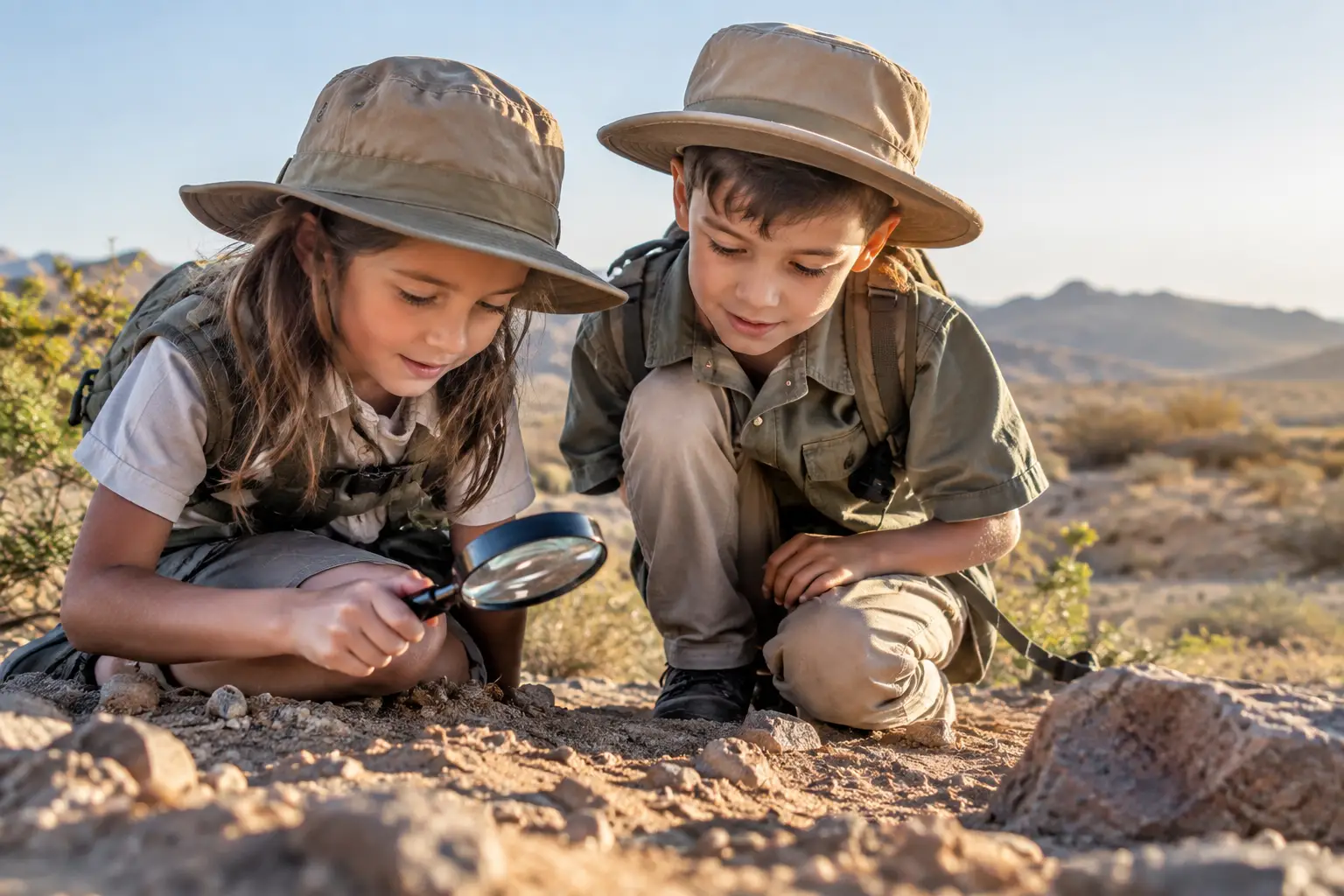
A weathered map. A strange symbol carved into stone. A story whispered around a campfire about gold hidden somewhere beyond the next ridge.
That is where treasure hunting begins – not with a shovel, but with a question. Could the legend be true? In Arizona, those questions can lead toward old stagecoach routes, abandoned mining camps, and mountain trails where the past still feels close enough to touch.
But a real investigator knows the difference between chasing a mystery and damaging the very history that makes it worth chasing. The best adventures require sharp eyes, good judgment, and respect for places that have kept their secrets for generations.
Treasure Hunting Starts With a Legend
Most famous treasures begin as stories. Someone saw a loaded mule disappear into the mountains. A miner claimed to find a rich vein of gold, then vanished before revealing the location. A family passed down a tale about coins buried near a dry wash.
Some stories change every time they are told. Others contain details that can be checked: a date, a mining district, a canyon name, or the name of a real person. That is the moment a legend becomes an investigation.
The Lost Dutchman’s Gold Mine is one of the Southwest’s most enduring examples. For more than a century, searchers have followed rumors of a hidden mine in or near Arizona’s Superstition Mountains. Maps have appeared. Eyewitnesses have made claims. People have argued over clues that may be genuine, mistaken, or invented to fool the next person on the trail.
Does that mean the treasure is definitely there? No. Legends are not proof. Yet they often preserve something real: the memory of a mine, a dangerous journey, a historic conflict, or a place important enough to remain in people’s imaginations. That is why a good mystery is worth studying, even when no chest of gold appears at the end.
The First Tool Is Research
Before heading outdoors, build a case file. Look for old newspaper reports, local history books, museum exhibits, historic maps, and stories told by people who know the region. Pay attention to what repeats. If three versions of a legend mention the same creek or ghost town, that detail may be more useful than a dramatic claim about a secret tunnel.
Research also reveals the part of the story that treasure tales sometimes leave out. Many mines were dangerous places. Boomtowns could vanish after a flood, a fire, or the collapse of an ore market. Indigenous communities lived on and cared for this land long before prospectors arrived. A legend may be thrilling, but the history beneath it belongs to real people.
Keep notes like a Junior Investigator. Write down where each clue came from, what it says, and what questions it creates. A hand-drawn map can be fun, but label it clearly as a theory, not a fact. The more carefully you separate evidence from rumor, the more interesting the mystery becomes.
Reading the Desert Without Disturbing It
The Southwest can make an ordinary trail feel like a chapter from an adventure novel. Sunlight flashes off quartz. Wind moves through a narrow canyon. A broken wall rises from the brush, suggesting that someone once built a life there.
Look closely, but leave the scene as you found it. Old cans, glass fragments, mine equipment, foundations, petroglyphs, and pottery shards are not souvenirs. They are clues. Moving an object can erase the story it could have told archaeologists, historians, and future visitors.
Some places are protected by law, including archaeological sites, historic sites, tribal lands, and many public lands. Digging, collecting artifacts, entering closed mines, or taking items from these areas can be illegal as well as unsafe. Even where metal detecting or collecting may be allowed, rules vary by location. A responsible adult should check the exact regulations before anyone searches.
That may sound like it takes the excitement out of the expedition. It does the opposite. When you treat a place like a crime scene from the past, every detail matters. A rusted hinge might suggest a cabin. A line of stacked stones could mark an old route. A pile of tailings may point to mining activity, but it is not an invitation to climb into a shaft.
Treasure Hunting Safety Is Part of the Adventure
Desert legends often make danger sound romantic. They skip the blistering heat, sudden storms, loose rock, rattlesnakes, and trails that look much simpler on paper than they do from the ground.
Never investigate alone. Tell someone where you are going and when you plan to return. Go with a parent, guardian, teacher, or other experienced adult, especially in remote country. Bring more water than you think you need, along with sun protection, sturdy shoes, a first-aid kit, a map, and a fully charged phone. A phone is useful, but it should not be your only navigation plan because service can disappear fast in the mountains.
Abandoned mines deserve an especially firm rule: stay out. Mine shafts can collapse without warning, contain bad air, hide deep drops, or shelter wildlife. A fence, gate, warning sign, or closed entrance is not a puzzle to solve. It is a signal to turn around.
The same goes for weather. In the desert, a clear morning can become a dangerous afternoon. Flash floods can race through washes far from the rain that caused them. Heat illness can sneak up on hikers who are focused on reaching one more landmark. The smartest investigators know when to pause, change the plan, or save a clue for another day.
What Counts as Treasure?
Gold coins would be exciting. So would a jeweled box, a forgotten mine ledger, or a map that proves a legendary trail once existed. But treasure does not always glitter.
A photograph of a ghost town at sunset can become part of a family story. A carefully recorded interview with a local historian may reveal a clue no printed map includes. Learning why an old road follows a certain ridge can connect geology, transportation, and human ambition in one surprising line across the landscape.
For young readers, treasure hunting can also happen indoors. Compare historic maps with modern ones. Create a timeline of a mining town. Ask why a legend keeps changing. Write a fictional case report from the point of view of an investigator who finds a clue nobody else noticed. The Ghostly Legends Society builds its mysteries around this kind of question: what happens when real places, old folklore, and brave young investigators collide?
There is a trade-off in every investigation. The more dramatic answer is not always the truest one. A cave may not contain pirate gold. A mysterious stone marker may have a practical purpose. A “lost” mine may have been found long ago, then exaggerated by decades of storytelling. That is not a disappointing ending. It is evidence that the legend has another layer.
Leave Clues for the Next Investigator
The best treasure hunters do not measure success by what they carry home. They measure it by what they learned and what they protected.
Take photographs instead of artifacts. Record locations carefully, but do not publicly share sensitive sites that could be damaged by crowds. If you spot vandalism or a dangerous abandoned structure, tell a ranger, land manager, or another responsible adult rather than trying to handle it yourself. Respect private property every time, even if an old map makes a location look irresistible.
Then tell the story. Share the history behind the trail, the unanswered question, and the moment you realized a legend was more complicated than it first appeared. That is how mysteries survive without the places behind them being destroyed.
Somewhere in the Superstition Mountains, a canyon may still be holding a secret. Or perhaps the real secret is why so many people keep searching. Pack your curiosity, protect the past, and watch the ground closely. Not everything in the desert stays buried.
Leave a Reply